
Casinos are unique environments that blend entertainment, gambling, and social interaction, attracting millions of visitors each year. However, one common rule across various casinos is the prohibition of photography. This restriction is enforced for several reasons, each rooted in the operational, security, and privacy concerns of both the establishment and its patrons.
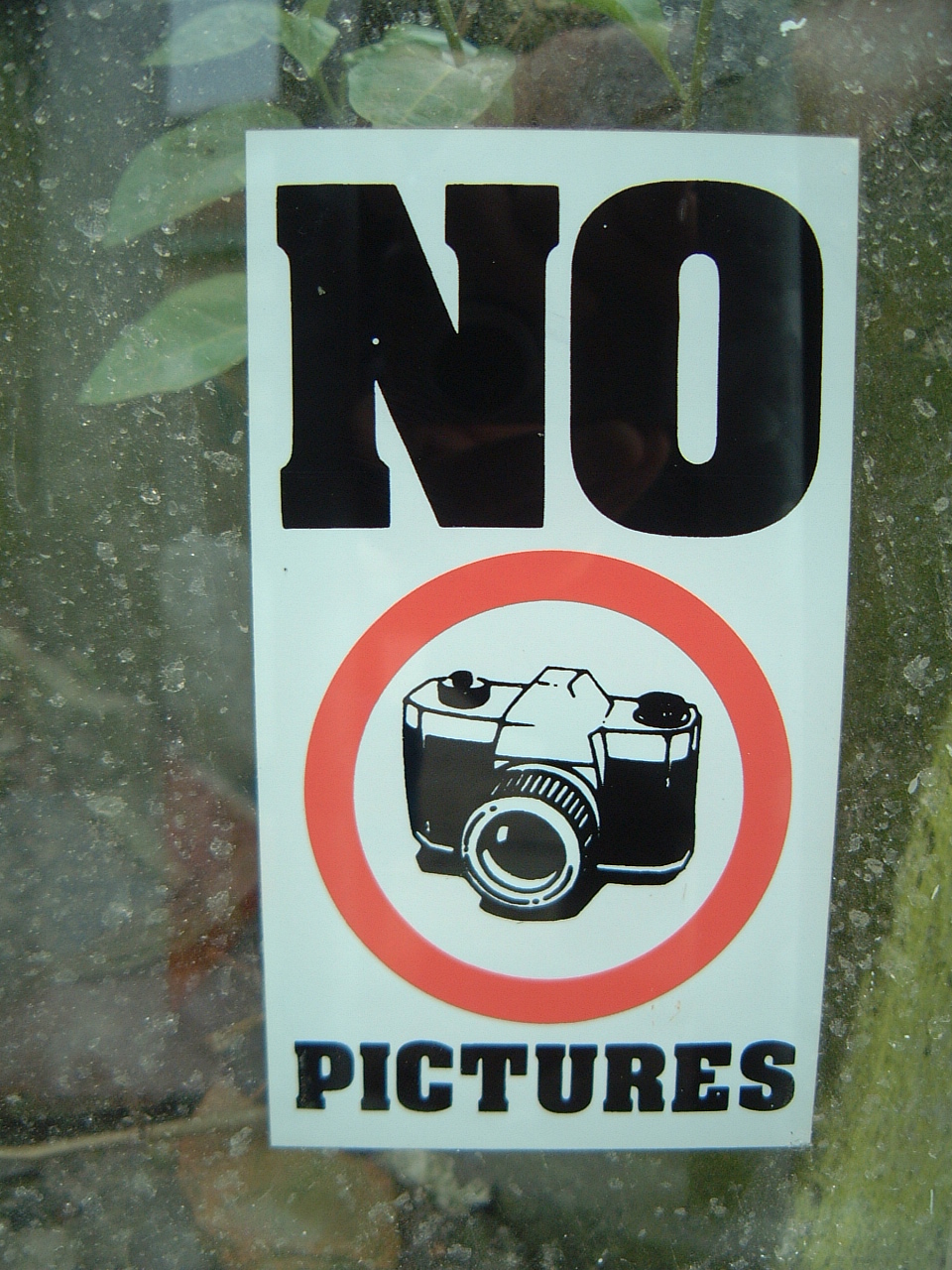
Firstly, the primary reason for banning photography in casinos is security. Casinos are often targets for criminal activities, including cheating and theft. By disallowing photography, casinos can reduce the risk of individuals capturing images of surveillance systems, security personnel, and other sensitive areas that could be exploited for illegal activities. The presence of cameras can deter potential criminals who might otherwise plan heists or devise cheating strategies. Moreover, casinos utilize advanced surveillance technology to monitor gaming activities, and unauthorized photography could compromise these systems, making it easier for wrongdoers to evade detection.
Another significant reason for the photography ban is the protection of patrons’ privacy. Casinos are places where individuals engage in personal and sometimes confidential activities, including gambling. Some guests may wish to keep their gambling habits and financial transactions private, and photography could inadvertently expose them to unwanted attention or scrutiny. By restricting photography, casinos aim to create a more comfortable environment where patrons can enjoy their experience without the fear of being photographed or having their activities shared on social media.
In addition, casinos are concerned about their brand image and the potential for negative publicity. With the rise of social media, any photos taken within a casino can quickly spread online, and the context in which they are shared may not always be favorable. A seemingly innocent photo could be misinterpreted or misrepresented, leading to negative perceptions of the casino. By enforcing a no-photography policy, casinos can maintain control over their public image and ensure that their branding remains intact.
Furthermore, the ban on photography helps to uphold the integrity of the games. Casinos invest significant resources in creating fair gaming environments, and the presence of cameras could lead to potential cheating or collusion among players. By eliminating photography, casinos can better monitor gameplay and ensure that all participants adhere to the rules, promoting a fair and enjoyable experience for everyone involved.
Lastly, the prohibition of photography can also enhance the overall atmosphere of the bonus strike casino. Many visitors come to casinos to escape reality and immerse themselves in a world of excitement and luxury. The absence of cameras allows guests to engage more fully with the experience, fostering a sense of freedom and spontaneity. When patrons are not worried about being photographed, they may feel more relaxed and willing to enjoy the entertainment offerings, from gaming to dining and live shows.
In conclusion, the restrictions on photography in casinos are multifaceted, encompassing security, privacy, brand management, game integrity, and the overall guest experience. These measures are put in place to protect both the casino and its patrons, ensuring a safe and enjoyable environment for all. Understanding these reasons can help visitors appreciate the importance of adhering to casino policies and enhance their overall experience within these vibrant establishments.